Mastering KDP Publishing with a 7x10 To-Do List Canva Template
The landscape of self-publishing has evolved dramatically over the last decade, transforming from a niche hobby into a legitimate business model for creators worldwide. Among the most popular and accessible entry points into Amazon Kindle Direct Publishing (KDP) is the low-content book market, specifically productivity journals and planners. However, success in this saturated space no longer comes from simply uploading generic lined paper. Today’s readers demand aesthetic appeal, functional design, and professional formatting. This is where a specialized To Do List KDP Interior Canva Template becomes an indispensable asset for publishers.
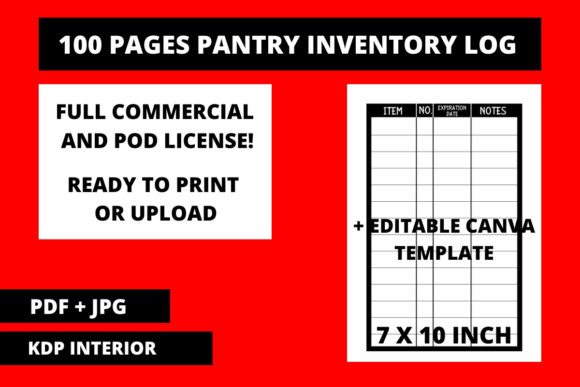
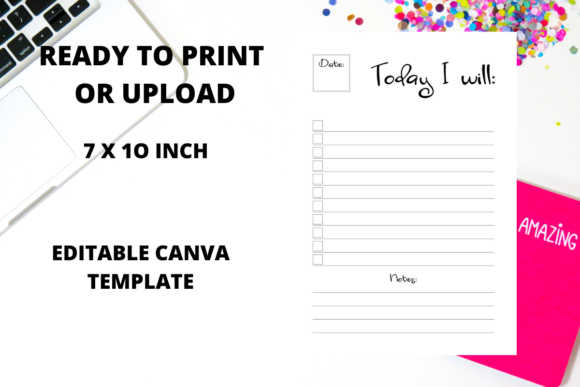
For both novice and experienced KDP authors, the challenge often lies not in the idea, but in the execution. Creating a high-quality interior from scratch requires graphic design skills, knowledge of print margins, and hours of repetitive formatting. A ready-to-use template bridges this gap, offering a streamlined path from concept to published product. Specifically, a 7x10 inch to-do list interior provides the perfect balance of portability and usability, making it a top choice for customers seeking daily organization tools.
Understanding the Strategic Value of Pre-Made Interiors
To understand why a pre-designed template is superior to starting from zero, one must first understand the economics of low-content publishing. The profit margins on these books are generally lower than high-content novels; therefore, volume and speed of production are key. However, speed cannot come at the expense of quality. Amazon’s algorithm and customer reviews heavily favor books that offer genuine utility and visual polish.
A professionally designed Canva template serves as a foundational blueprint. It ensures that every page adheres to strict printing guidelines while maintaining a cohesive visual theme. When you utilize a template that is already formatted for the 7x10 trim size, you eliminate the risk of costly formatting errors such as text bleeding into the gutter or margins being too narrow for binding. This technical precision is what separates amateur publications from professional products that generate consistent sales.
The Significance of the 7x10 Inch Trim Size
Size matters significantly in the planner and journal niche. While 6x9 inches is the industry standard for trade paperbacks, the 7x10 inch dimension occupies a sweet spot for productivity tools. It offers approximately 20% more writing surface area than a 6x9 book without becoming as cumbersome as an 8.5x11 letter-sized workbook.
This specific size is ideal for to-do lists because it allows for wider columns, larger checkboxes, and ample space for notes alongside tasks. From a user experience perspective, the 7x10 format feels substantial enough to be a dedicated desk organizer yet compact enough to fit in a tote bag or laptop sleeve. By choosing a template pre-set to this dimension, publishers align their products with current consumer preferences for versatile, hybrid-size planners that work in both office and remote environments.
Leveraging Canva for Customization and Efficiency
One of the primary advantages of using a Canva-based template is the platform's accessibility. Unlike complex professional software like Adobe InDesign, Canva operates on an intuitive drag-and-drop interface that democratizes design. When you acquire a To Do List KDP Interior Canva Template, you are not just buying a static PDF; you are acquiring an editable asset that can be tailored to fit specific sub-niches.
Customization is the key to differentiation in a crowded marketplace. With an editable template, you can:
- Adjust Typography: Change fonts to match a specific aesthetic, such as minimalist sans-serif for modern planners or elegant scripts for wellness journals.
- Modify Layout Elements: Add or remove sections like "Daily Gratitude," "Water Intake," or "Priority Tasks" to target specific demographics like students, busy moms, or entrepreneurs.
- Update Branding: Incorporate your own logo or series branding on the title page to build recognition across multiple book listings.
- Create Variations: Quickly generate different versions of the same interior (e.g., dated vs. undated, weekly vs. daily) to expand your catalog without redesigning from scratch.
This flexibility transforms a single purchase into a scalable product line, maximizing the return on investment for your publishing business.
Navigating File Formats and Print Readiness
A common point of confusion for new publishers is understanding file deliverables. High-quality templates typically come with a comprehensive instruction set and the final output files. In this context, receiving a PDF file with instructions is standard best practice. The PDF serves as the print-ready manuscript that you will upload directly to KDP.
It is vital to note that the template should be completely free of watermarks. Some low-quality providers leave placeholder text or faint logos that ruin the user experience and violate KDP’s content policies. A premium template guarantees no watermarks of any kind, ensuring that the final printed book looks crisp, professional, and entirely yours. The accompanying instructions are equally important; they guide you through exporting settings, verifying bleed areas, and checking color profiles (usually grayscale for interiors) to prevent rejection during the KDP review process.
Practical Applications in Modern Productivity
To sell a to-do list journal effectively, publishers must understand the end-user's needs. These books are not merely paper; they are cognitive tools. In our digital-saturated era, there is a growing movement toward analog planning. Research suggests that writing tasks by hand improves memory retention and reduces anxiety compared to digital task management apps.
When utilizing a to-do list template, consider how the layout supports these psychological benefits. A well-designed interior includes prompts that encourage prioritization rather than endless listing. For example, incorporating a "Top 3 Priorities" section helps users avoid decision fatigue. Including reflection spaces at the bottom of a daily page encourages mindfulness. By understanding these functional aspects, you can select or customize a template that solves real problems, leading to better reviews and higher organic rankings.
Common Misunderstandings About Template Usage
Despite the clear benefits, some publishers hesitate to use templates due to misconceptions about originality and licensing. It is important to clarify these points to build confidence in your publishing workflow.
- "Templates result in duplicate content penalties." This is a prevalent myth. Amazon flags duplicate content when the exact same file is uploaded by multiple accounts. However, when you edit a Canva template—changing fonts, adjusting spacing, adding unique headers, or combining pages differently—you create a unique derivative work. The template is the clay; your customization is the sculpture.
- "Using a template means I don't need to check proofs." Even with a perfect template, human error is possible. Always order a physical proof or use the KDP previewer tool to verify that your customizations haven't shifted elements outside the safe zone. Technology aids accuracy, but it does not replace due diligence.
- "All templates are created equal." Quality varies significantly. Always verify that the template provider specifies the correct trim size (7x10), includes proper bleed (usually 0.125 inches for full-bleed interiors), and offers commercial usage rights. A "pretty" template is useless if it is technically non-compliant with printing standards.
Building a Sustainable Publishing Workflow
Integrating a To Do List KDP Interior Canva Template into your workflow is about more than just saving time; it is about establishing consistency. Successful KDP businesses operate like brands, not lottery tickets. Consistent interior quality builds trust with buyers who return for your next release.
Furthermore, using standardized templates simplifies the creation of marketing assets. When your interior layout is predictable, creating A+ Content and social media mockups becomes faster. You can showcase the actual interior pages in your listing images, giving customers confidence in what they are purchasing. The 7x10 size also photographs well, allowing for clear visibility of the layout details in thumbnail images.
Ultimately, the goal of using a ready-to-download and edit template is to shift your focus from technical troubleshooting to creative strategy. By removing the friction of design and formatting, you free up mental energy to research keywords, write compelling descriptions, and analyze market trends. In the competitive world of KDP, efficiency combined with quality is the formula for longevity. Whether you are creating a simple daily tracker or a comprehensive productivity system, starting with a professional, watermark-free, correctly sized template lays the groundwork for a product that readers will value and recommend.