Flowers Coloring Book for Kids KDP: A Practical Guide
Creating or selecting a Flowers Coloring Book for Kids KDP involves more than simply uploading botanical illustrations to Amazon. It requires understanding the specific technical requirements of print-on-demand publishing and recognizing how different users interact with these resources. Whether you are a self-publisher building a catalog, an educator seeking classroom activities, or a parent looking for quality screen-free entertainment, the value of this niche lies in its versatility. The right interior balances artistic appeal with functional design, ensuring that the final product serves its intended purpose effectively.
Defining the Resource for Publishers and Creators
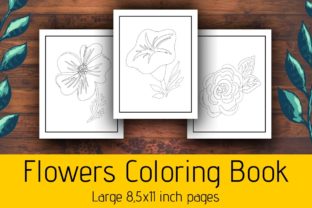
For entrepreneurs and content creators, a Flowers Coloring Book For Kids KDP Interior is a foundational asset. This specific resource typically includes six large coloring pages measuring 8.5 x 11 inches, designed specifically for the standard trim size used in children’s activity books. The availability of these files in JPG, PNG, and PDF formats addresses distinct stages of the publishing workflow. Understanding these formats is critical for maintaining quality and efficiency.
- PDF Format: This is generally the preferred format for direct upload to KDP. Vector-based or high-resolution PDFs preserve line crispness and ensure that margins remain consistent during the printing process. For publishers, this reduces the risk of rejection due to formatting errors.
- PNG Format: High-quality PNGs with transparent backgrounds offer maximum flexibility. Creators often use these to compile custom books, add unique borders, or integrate text elements without worrying about white boxes obscuring the background. This format supports creative iteration and branding.
- JPG Format: While less ideal for professional print interiors due to potential compression artifacts, JPGs serve as excellent preview images for marketing materials, social media promotion, or digital proofing before committing to a full print layout.
The inclusion of exactly six pages suggests this resource functions as a starter pack, a sample lead magnet, or a modular component for larger projects. For beginners in self-publishing, this manageable volume allows for testing market demand without significant upfront investment. Experienced publishers might use these pages to supplement existing low-content books or to create seasonal promotional items where speed to market is a priority.
Educational Value and Classroom Application
Educators, homeschoolers, and tutors evaluate a Flowers Coloring Book for Kids KDP through a pedagogical lens rather than a commercial one. For this audience, the 8.5 x 11 inch dimension is not just a printing specification; it is a usability feature. Large-format pages provide ample space for developing fine motor skills, allowing younger children to practice grip and control without the frustration of cramped designs.
When assessing these interiors for learning environments, consider the following practical factors:
- Line Weight and Complexity: Effective educational coloring pages feature bold, clear lines that guide young artists without overwhelming them. Intricate mandalas may suit adults, but kids require distinct shapes that build confidence.
- Thematic Consistency: Flower illustrations can support biology lessons on plant parts, seasons, or pollinators. Educators look for accuracy alongside aesthetics, ensuring the coloring activity reinforces curriculum goals.
- Reproducibility: Teachers often need to print multiple copies. Having access to clean PDF or PNG files means educators can reproduce pages for entire classes without degrading image quality, a significant advantage over scanning physical books.
For special education professionals or occupational therapists, the tactile nature of coloring on standard letter-size paper offers therapeutic benefits. The familiar floral themes provide a calming, non-threatening medium for emotional regulation and sensory integration. In these contexts, the digital availability of the interior allows practitioners to customize difficulty levels or adapt materials for individual student needs.
Priorities for Parents and Hobbyists
Consumers and hobbyists approach this topic from a user-experience perspective. Parents searching for a Flowers Coloring Book for Kids KDP are often motivated by the desire for wholesome, offline engagement. They prioritize presentation and age-appropriateness over technical specifications. However, they benefit indirectly from the creator’s attention to detail. A book assembled with proper bleed settings and high-resolution source files results in a product where colors do not bleed through excessively and lines remain sharp, enhancing the child’s enjoyment.
Hobbyists who enjoy digital coloring or mixed media art also find value in multi-format interiors. The PNG files allow for digital coloring on tablets, while the PDF version serves traditional media users. This dual utility extends the lifespan of the purchase and accommodates families with varying preferences. For grandparents or caregivers, having a ready-to-print option means instant access to activities during visits or travel, removing barriers to creative play.
Evaluating Quality and Commercial Viability
Different stakeholders must weigh distinct priorities when deciding if a specific Flowers Coloring Book For Kids KDP Interior aligns with their goals. There is no universal standard for "best"; there is only what works for your specific context.
Beginners should prioritize ease of use and reliability. A six-page set in pre-formatted PDF reduces the learning curve associated with book layout software. The focus here is on completing a first project successfully to understand the KDP ecosystem. Cost-effectiveness matters, but so does avoiding the discouragement of technical failures.
Professional Publishers focus on commercial value and uniqueness. While a six-page starter pack is useful for testing, professionals must evaluate whether the artwork is distinctive enough to compete in a saturated market. They assess licensing terms rigorously, ensuring the interiors can be modified sufficiently to meet Amazon’s content differentiation policies. Speed is valuable, but not at the expense of brand reputation.
Marketers and Bloggers view these interiors as content assets. The JPG versions serve as visual hooks for Pinterest pins or blog headers discussing spring activities or literacy development. Their priority is presentation and relevance to their audience’s search intent. They need visuals that communicate quality instantly, driving traffic to their platforms or affiliate links.
Making the Right Choice for Your Project
Determining whether this resource matches your needs requires honest self-assessment. Ask yourself what outcome you are trying to achieve. If you are launching a publishing business, does this interior provide a foundation you can build upon, or merely a placeholder? If you are an educator, do the illustrations align with your teaching objectives and student abilities?
Consider the long-term usefulness of the formats provided. A PDF might solve today’s printing need, but the PNG ensures you can repurpose the artwork for future digital products or classroom displays. Flexibility often outweighs immediate convenience. Similarly, verify that the 8.5 x 11 inch sizing matches your distribution channel. While standard for KDP, this size may require adjustment for other platforms or local printing services.
Ultimately, a Flowers Coloring Book for Kids KDP serves as a bridge between creative expression and practical application. For the publisher, it is a product; for the teacher, a tool; for the parent, a moment of peace. By understanding these varied perspectives and the technical attributes that support them, you can select or create resources that deliver genuine value. The intersection of proper formatting, appropriate content, and clear intent is where successful projects thrive, regardless of whether your goal is profit, education, or simple joy.