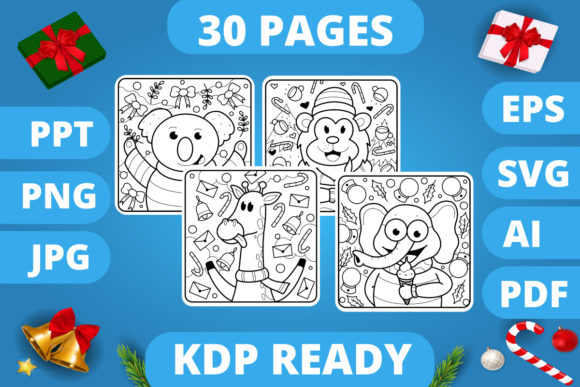
Maximizing KDP Christmas Coloring Book for Kids 3: A Technical Guide to Formats and Publishing
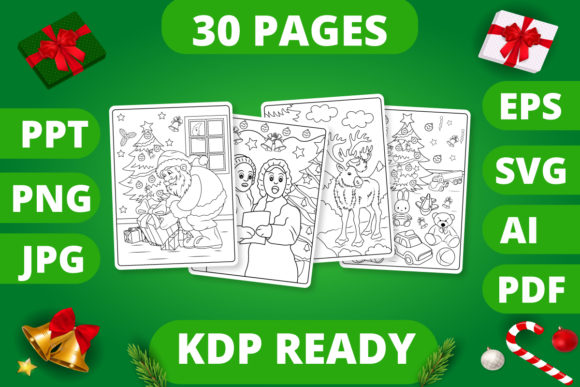
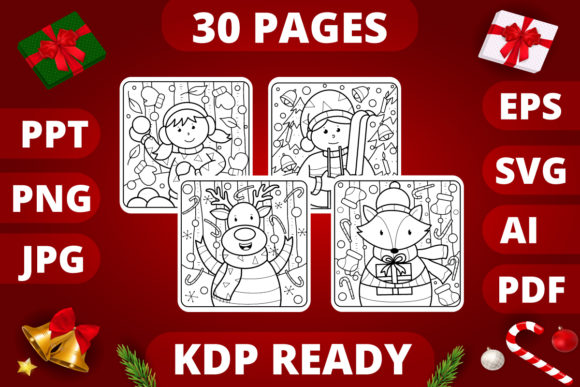
The self-publishing landscape for seasonal children’s content requires more than just creative illustration; it demands a rigorous understanding of file specifications, platform requirements, and asset versatility. When evaluating resources like the KDP Christmas Coloring Book for Kids 3, professionals and creators must look beyond the aesthetic appeal to assess the technical infrastructure provided. This specific bundle offers a comprehensive suite of thirty unique designs packaged in a manner that addresses the multifaceted needs of modern digital publishing. Understanding how to leverage these assets across various formats is essential for maximizing return on investment and ensuring a seamless upload process to Amazon Kindle Direct Publishing.
Analyzing the Interior Architecture for KDP Compliance
One of the most critical friction points in self-publishing is formatting. The interior file included in this collection is pre-configured as a 62-page PDF PowerPoint format KDP Upload Ready Interior. This specification is significant for several reasons. First, the page count accounts for necessary front and back matter, title pages, and copyright notices, which are often overlooked by new publishers. Second, the dimensions are strictly set to 8.5 x 8.5 inches, a square trim size that has gained substantial popularity in the children's activity book niche due to its balanced layout and distinct shelf presence compared to standard letter-sized books.
For educators and business owners utilizing these materials outside of Amazon, the inclusion of a PPTX (PowerPoint) source file provides an unexpected layer of utility. While PDF is the industry standard for print-on-demand interiors, PowerPoint allows for non-destructive editing without requiring expensive vector software. Users can rearrange page orders, add custom text overlays for classroom activities, or modify margins to suit different printing services. This dual-format approach ensures that the asset remains functional whether the end goal is commercial publication on KDP or internal educational distribution.
Vector Scalability and Professional Editing Capabilities
Raster images have limitations in professional publishing, particularly when resizing or modifying line art. The provision of AI (Adobe Illustrator), EPS, and SVG files alongside standard raster formats addresses this limitation directly. For graphic designers and researchers analyzing visual trends, access to the vector source files is invaluable. These formats allow for:
- Infinite Scalability: Line art remains crisp at any size, from pocket-sized coloring books to large-format posters, without pixelation.
- Line Weight Adjustment: Professionals can thicken lines for toddler demographics or thin them for older children and adults, adapting the same core artwork to different market segments.
- Color Separation: Vector files facilitate easy color separation for those wishing to create digital versions or screen-printed merchandise.
- Element Isolation: Individual components of a Christmas scene can be extracted and repurposed for greeting cards, stickers, or social media graphics without background removal tools.
This level of asset granularity distinguishes professional-grade bundles from consumer-level downloads. It transforms a simple coloring book into a modular design system that supports diverse product development workflows.
Cross-Platform Versatility Through Multi-Format Delivery
Modern content creators rarely operate within a single ecosystem. The requirement for separate files in PDF, SVG, EPS, PNG, JPG, PPTX, and AI formats reflects an understanding of omnichannel distribution. Each format serves a distinct purpose in the production pipeline. High-resolution PNG and JPG files are optimized for digital previews, marketing mockups, and web-based coloring apps. These raster formats maintain quality at screen resolution while keeping file sizes manageable for fast loading times.
Conversely, the PDF and EPS formats serve the print production chain. Having each page available as a separate file rather than only as a compiled document offers granular control during the quality assurance phase. If a single page fails KDP’s automated review due to margin errors or bleed issues, the creator can fix and replace that specific page without re-uploading or re-validating the entire 62-page manuscript. This modular workflow significantly reduces iteration time and prevents launch delays during the competitive holiday season.
Educational and Therapeutic Applications Beyond Publishing
While the primary designation is a KDP product, the utility of these thirty Christmas coloring pages extends into educational and therapeutic settings. Special education teachers and occupational therapists frequently seek seasonally appropriate fine motor activities. The availability of editable source files allows these professionals to customize complexity. A therapist might simplify a detailed Santa illustration for a child developing grip strength, while an educator might add vocabulary words to reinforce literacy skills alongside artistic expression.
The square 8.5 x 8.5 inch format also lends itself well to lap books and interactive journals used in homeschooling curricula. Unlike standard 8.5 x 11 inch worksheets that can be cumbersome for young learners, the square format provides a contained workspace that reduces visual overwhelm. Business owners running daycare centers or after-school programs can utilize the separate JPG and PNG files to project images onto smartboards for group coloring sessions, demonstrating the asset’s flexibility across physical and digital learning environments.
Strategic Considerations for Seasonal Content Monetization
Entering the Christmas coloring book market requires strategic differentiation. With thousands of titles available, success depends on execution quality and metadata optimization. Utilizing a professionally formatted interior like the KDP Christmas Coloring Book for Kids 3 provides a baseline of quality that meets platform standards, but creators must add unique value to stand out. This might involve combining the provided illustrations with original puzzles, storytelling prompts, or bilingual text elements using the editable PPTX or AI files.
From a business perspective, the bundle structure supports rapid product testing. Creators can produce multiple variations from the same thirty base illustrations—perhaps one version targeting preschoolers with thick lines and another targeting elementary students with intricate details. This approach maximizes the lifetime value of the asset purchase. Furthermore, maintaining consistent branding across a series is easier when working with a unified set of source files, helping to build author recognition in a crowded marketplace.
Quality Assurance and File Management Best Practices
Managing seven different file types for thirty individual pages requires organized digital asset management. Professionals should establish a clear folder hierarchy before beginning production. A recommended structure separates files by format type and then by page number, ensuring quick retrieval during the upload or editing process. When preparing the KDP Upload Ready Interior, it is crucial to verify that the PDF export settings match Amazon’s current specifications regarding font embedding, color profiles, and transparency flattening.
Even with pre-formatted files, human verification remains essential. Automated tools cannot always detect subtle issues like low-contrast elements or culturally insensitive imagery. Reviewing the vector sources allows for final adjustments that ensure the product aligns with current market expectations and community standards. This diligence protects brand reputation and reduces the likelihood of negative reviews related to technical defects or content concerns.
Leveraging Community Feedback and Continuous Improvement
The self-publishing ecosystem thrives on iterative improvement driven by user feedback. Engaging with the community through reviews and follow notifications creates a feedback loop that benefits both creators and consumers. When users take the time to rate and review resources like this coloring bundle, they provide critical data points about usability, print quality, and audience reception. This information helps developers refine future releases to better meet market needs.
For buyers, following creators ensures early access to new seasonal content and updates. The holiday publishing window is short, and having advance notice of new asset releases allows for better planning and earlier launch dates. Building relationships with reliable asset providers reduces the risk associated with sourcing content from unknown vendors. Ultimately, treating these digital products as part of a broader professional network rather than isolated transactions leads to more sustainable success in the competitive world of seasonal publishing.
Navigating the technical and creative aspects of holiday publishing requires attention to detail and respect for platform standards. By understanding the specific advantages offered by multi-format bundles—including vector editability, pre-formatted interiors, and cross-platform compatibility—creators can move beyond simple assembly to true product development. Whether the goal is commercial success on Amazon, educational enrichment in the classroom, or therapeutic support in clinical settings, the right technical foundation makes all the difference. Success in this space is measured not just by sales volume, but by the quality of experience delivered to the end user, making thorough preparation and asset mastery essential components of any publishing strategy.