Dot-to-Dot Fruits KDP Interior: Creative Publishing Guide
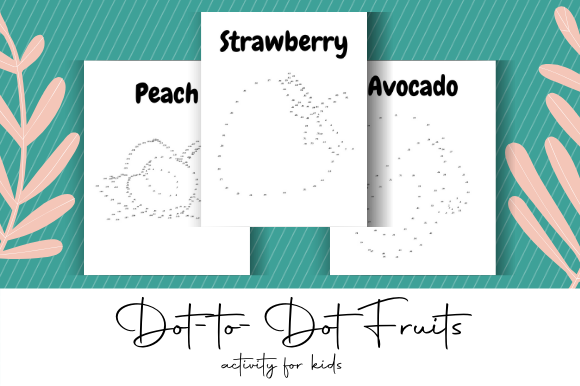
Creating low-content books for Amazon KDP requires a balance of aesthetic appeal and functional design. The Dot-to-Dot Fruits KDP Interior offers a versatile foundation for publishers targeting early learners, homeschooling parents, and activity book enthusiasts. Unlike generic puzzle packs, a fruit-themed interior taps into specific educational niches involving nutrition, nature study, and vocabulary building. This resource typically includes 10 high-resolution images formatted at 8.5x11 inches, providing the exact trim size required for standard paperback publishing without additional resizing or cropping.
For creators and small business owners, the value lies in the technical readiness of the files. Available in JPG, PNG, and PDF formats, this interior allows for seamless integration into various publishing workflows. Whether you are assembling a standalone activity book or combining these pages with coloring sheets and mazes, having source files in multiple formats ensures compatibility with design software like Canva, Affinity Publisher, or Adobe InDesign. The 8.5x11 inch dimension is the industry standard for children’s activity books, ensuring that your final product looks professional and meets printer specifications immediately upon upload.
Educational Value and Niche Targeting
Successful KDP products solve a problem or fulfill a specific desire for the end user. Fruit-themed dot-to-dot pages serve a dual purpose: entertainment and education. When marketing this interior, consider the developmental benefits that appeal to parents and educators. Connecting numbered dots reinforces counting skills, number sequencing, and fine motor control. Simultaneously, the reveal of a strawberry, banana, or pineapple introduces visual recognition and vocabulary association.
This specific theme aligns perfectly with seasonal trends and curriculum planning. Teachers often seek supplemental materials for units on healthy eating, harvest seasons, or botany. By positioning your book as an educational tool rather than just a pastime, you increase its perceived value. Homeschoolers, in particular, look for resources that integrate multiple subjects. A dot-to-dot page featuring a watermelon can be part of a math lesson on counting seeds, a science lesson on plant life cycles, or an art lesson on color mixing. Understanding these cross-curricular applications helps in writing compelling book descriptions and backend keywords.
Technical Specifications and File Management
The inclusion of 10 distinct images provides a manageable starting point for testing market demand or expanding an existing series. Each format serves a unique purpose in the production pipeline. The PDF format is generally preferred for direct printing and digital distribution because it preserves vector quality and layout integrity. When uploading to KDP, a pre-formatted PDF reduces the risk of margin errors or font substitution issues.
JPG and PNG files offer greater flexibility for customization. If you plan to add custom borders, branding elements, or additional text instructions, raster formats allow for easier manipulation in photo editing software. PNGs with transparent backgrounds are particularly useful if you want to overlay the dot-to-dot artwork onto colored paper textures or patterned backdrops. However, always ensure that any modifications maintain a minimum resolution of 300 DPI to prevent pixelation in print. The 8.5x11 inch canvas size should include appropriate bleed margins if your design extends to the edge of the page, though most dot-to-dot interiors utilize a safe zone to keep content centered.
Creative Adaptations and Product Differentiation
To stand out in a saturated marketplace, creators must adapt base assets to create unique selling propositions. While the core Dot-to-Dot Fruits KDP Interior provides the structure, your creative input determines the final product's success. Consider varying the difficulty levels across the 10 pages. Some designs might feature simple 1-20 connections for toddlers, while others could incorporate skip counting (2s, 5s, 10s) or alphabet sequencing for older children. This progression keeps users engaged and encourages parents to purchase multiple books in a series.
Bundling is another effective strategy. Combine these fruit puzzles with related activities to increase page count and value. You might pair each dot-to-dot page with a corresponding coloring page, a word search using fruit names, or a "trace the word" handwriting exercise. This transforms a simple puzzle pack into a comprehensive workbook. For digital sellers on platforms like Etsy or Teachers Pay Teachers, the individual PNG or JPG files can be sold as printable worksheets. Educators often prefer purchasing single-page activities for classroom centers rather than full books, making the multi-format availability of this interior a significant commercial advantage.
Design Consistency and User Experience
Maintaining visual consistency is crucial for building a recognizable brand. When utilizing these 10 images, ensure that line weights, numbering styles, and overall composition feel cohesive. If you add external elements, match the artistic style of the original fruit illustrations. Disjointed aesthetics can lead to negative reviews, as customers expect a polished, professional product. Test print a few pages before finalizing your manuscript to verify that the dot sizes are large enough for crayons or markers and that the numbers are legible for the target age group.
User experience extends beyond the puzzle itself. Include clear instructions on the first page or above each activity. For younger audiences, visual cues work better than text. Consider adding a completed example or a color reference guide at the bottom of the page. These small touches demonstrate attention to detail and enhance usability. For KDP creators, organizing the interior logically—perhaps grouping berries together or arranging fruits by color—creates a more satisfying browsing experience during the "Look Inside" preview feature on Amazon.
Marketing Strategies for Activity Book Creators
Effective marketing bridges the gap between creation and sales. When listing a book featuring this Dot-to-Dot Fruits KDP Interior, focus on specific use cases in your title and subtitle. Instead of a generic title, opt for descriptive phrasing like "Fruit Dot-to-Dot Activity Book for Kids Ages 3-6: Counting and Fine Motor Skills Workbook." This targets long-tail search queries used by intentional buyers. Highlight the educational aspects in your bullet points, emphasizing how the activities support development milestones.
Leverage the visual nature of this content for social media promotion. Create short videos showing the process of completing a puzzle or flip-throughs of the interior pages. Parents and teachers respond well to seeing the actual complexity and style of the activities before purchasing. If you are using the JPG or PNG versions to create promotional graphics, ensure they accurately represent the print quality. Authenticity builds trust. Additionally, consider creating free sample pages from the set to build an email list or offer as a lead magnet. Providing value upfront establishes authority and drives traffic to your paid listings.
Expanding Beyond the Basics
The 10-image set serves as a proof of concept, but sustainable publishing businesses often require scale. Use this interior as a template for future expansions. Analyze which fruit designs perform best or receive positive feedback, then commission or create similar assets to grow the collection. You might develop themed variations such as "Tropical Fruits," "Garden Vegetables," or "Orchard Harvest" to create a cohesive series. Series branding increases customer lifetime value, as satisfied buyers are likely to return for subsequent volumes.
Furthermore, consider repurposing the content for different markets. The same fruit illustrations used in a KDP paperback can be adapted for digital apps, flashcards, or classroom posters. The versatility of having source files in multiple formats maximizes the return on investment for each asset. Entrepreneurs and freelancers can also offer customization services, using these interiors as a base to create bespoke activity books for local schools, daycare centers, or summer camps. This B2B approach opens revenue streams beyond direct-to-consumer retail.
Ultimately, the Dot-to-Dot Fruits KDP Interior is more than a collection of images; it is a flexible building block for creative commerce. Success depends on thoughtful adaptation, technical precision, and a deep understanding of the end user's needs. By focusing on quality execution and strategic application, creators can transform simple connect-the-dots pages into valuable educational resources and profitable publishing ventures. Whether you are a seasoned publisher or a new entrepreneur, approaching this asset with intentionality will yield results that resonate with both algorithms and human audiences.