Designing with Purpose: The Heart-Accent Lined Journal for KDP
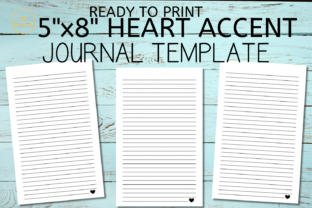
In the expansive world of low-content publishing, differentiation is the key to visibility. While standard lined notebooks serve a functional purpose, they often lack the emotional resonance required to convert browsers into buyers on crowded marketplaces. This interior journal features 110 blank lined journal pages with a heart accent at the bottom of each page, offering a subtle yet powerful design element that elevates a simple notebook into a thoughtful gift or personal keepsake. For creators utilizing Amazon KDP, this specific layout bridges the gap between utility and aesthetic appeal, providing a ready-to-publish solution that saves time without sacrificing quality.
The Psychology of Subtle Design Elements
When selecting a journal, users are rarely looking for just paper; they are seeking an experience. The inclusion of a small heart accent serves as a micro-interaction within the physical book. Unlike overwhelming patterns or heavy graphics that can distract from writing, a bottom-centered icon acts as a gentle anchor. It provides visual rhythm to the page turn without encroaching on the writable area. This balance is critical for user retention. A journal that is too decorative often goes unused because the owner feels intimidated to "ruin" it with messy handwriting. Conversely, a completely sterile notebook can feel clinical and uninspiring.
This particular design solves that dilemma by maintaining 95% of the page as clean, functional space while using the remaining 5% to establish tone. That small percentage of design real estate communicates warmth, self-care, and intentionality. For niche markets such as gratitude journaling, wedding planning, or teen diaries, this tiny detail signals to the buyer that the book was designed with their specific emotional needs in mind. It transforms a commodity into a curated object.
Technical Specifications for Seamless KDP Publishing
For self-publishers, technical friction is the enemy of productivity. This template is formatted for KDP - ready to upload and publish, which eliminates the most common hurdles in the printing process. Understanding why this matters requires a look at the typical pain points of interior formatting:
- Mirror Margins: Proper gutter margins are essential for bound books. This template accounts for the binding shift, ensuring the heart accent remains centered relative to the printable area, not just the digital canvas.
- Bleed and Safe Zones: Even though the heart is centered, the overall file respects KDP’s safe zone requirements, preventing any risk of content being trimmed during the manufacturing process.
- Page Count Optimization: With exactly 110 pages, this interior hits a sweet spot for spine width and perceived value. It is substantial enough to feel like a quality product but light enough to keep printing costs competitive.
- Resolution Standards: The files are generated at high resolution to ensure crisp lines and sharp icons, avoiding the pixelation that leads to negative reviews.
Having both PDF and Word Doc formats included in the package offers unparalleled flexibility. The PDF is your production master; it is locked, consistent, and what you should typically upload to guarantee the output matches your screen. However, the Word Doc serves as a versatile backup. If you wish to add a custom dedication page, modify the line spacing slightly, or insert a branding page at the front, the editable document allows you to do so without needing advanced graphic design software. This dual-format approach supports both the hands-off publisher and the hands-on creator.
Integrating Into Modern Creative Workflows
Time management is a crucial skill for anyone managing a portfolio of low-content books. Sourcing or designing interiors from scratch can take hours per project. By utilizing pre-formatted assets like this, publishers can redirect their energy toward keyword research, cover design, and marketing strategies. The ability to deploy five distinct variations of this heart-accent theme across different niches demonstrates how scalable assets drive business growth. You might use one version for a Valentine’s Day release, another for Mother’s Day, and a third as part of a general self-love series, all stemming from the same core interior foundation.
This workflow efficiency does not imply a compromise on quality. On the contrary, using professionally formatted templates ensures a baseline of excellence that protects your author brand. Readers notice when lines are crooked or margins are inconsistent. By starting with a verified template, you remove human error from the equation and focus on building a cohesive catalog.
Practical Applications and Niche Targeting
Versatility is perhaps the strongest attribute of this lined journal format. While the heart accent suggests certain themes, its minimalist execution allows it to cross over into multiple categories. Understanding where this interior fits helps in crafting effective metadata and ad copy.
- Wellness and Mental Health: Therapists and life coaches often recommend journaling. The heart accent reinforces a safe, non-judgmental space for processing emotions.
- Educational Settings: Teachers may use these for student reflection journals where the tone needs to be encouraging rather than academic.
- Gift Markets: Stocking stuffers, bridesmaid gifts, and hospital care packages benefit from the universal symbol of care without being overly romantic.
- Creative Writing: Poetry and flash fiction writers often prefer lined pages with inspiring touches to spark creativity during writer's block.
When positioning this product, consider the tactile experience. The 110-page count allows for approximately three to six months of daily use, depending on the user's habits. This duration aligns perfectly with habit-formation timelines often discussed in the self-help community. Marketing the journal as a "90-day companion" or a "semester-long reflection tool" gives the page count practical context beyond mere specifications.
Considerations Before Publishing
While this interior journal features 110 blank lined journal pages with a heart accent at the bottom of each page, successful publishing requires more than just uploading the file. Creators must consider cover synergy. The cover art should echo the subtlety of the interior. A loud, chaotic cover paired with a delicate interior creates cognitive dissonance for the buyer. Aim for covers that utilize soft typography, pastel or warm color palettes, and matte finishes to complement the heart motif.
Additionally, think about the description copy. Clearly state that the heart is a small accent, not a full-page illustration. Managing customer expectations prevents returns from buyers who might have anticipated a coloring book or a heavily illustrated diary. Transparency regarding the line spacing (usually college ruled or wide ruled) and the exact placement of the icon builds trust. Use the "Look Inside" feature effectively by ensuring the preview shows the heart accent clearly, validating the purchase decision instantly.
Finally, consider bundling or series potential. Since you receive editable files, creating a companion volume—perhaps with a star accent or a floral accent—allows you to capture repeat customers. If a buyer loves the functionality and the subtle charm of the heart edition, they are statistically likely to purchase other designs in the same collection. This strategic approach turns a single asset into a long-term revenue stream, maximizing the return on investment for your publishing efforts.
Ultimately, the success of low-content publishing lies in the intersection of aesthetic sensitivity and operational efficiency. This journal template exemplifies that intersection, providing a polished, emotionally resonant product that meets technical standards while leaving ample room for creative interpretation. Whether you are launching your first title or expanding an established brand, the combination of ready-to-print formatting and thoughtful design details creates a solid foundation for sustainable growth in the digital publishing landscape.