Travel Journal for Kids KDP: Streamlining Low-Content Book Creation
Creating a successful low-content book on Amazon KDP requires more than just uploading a generic PDF; it demands a strategic approach to product development, asset management, and workflow efficiency. For publishers targeting the family travel niche, a Travel Journal for Kids KDP template serves as both a final product and a foundational asset in a broader publishing business. This resource is designed to bridge the gap between conceptualization and execution, providing creators with a fully editable PowerPoint source file alongside a print-ready PDF. Understanding how to leverage these dual formats allows entrepreneurs, educators, and self-publishers to integrate this tool seamlessly into their existing production pipelines.
The Role of Editable Assets in Publishing Workflows
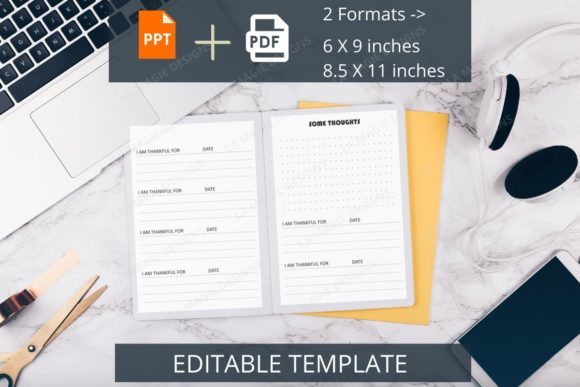
In the context of digital product creation, static files often create bottlenecks. While a print-ready PDF is necessary for the final upload to KDP, relying solely on non-editable formats limits long-term viability. The inclusion of a Fully Editable Source File Powerpoint .pptx transforms this travel journal from a single-use item into a scalable business asset. For professionals managing multiple titles or brands, editability is not a luxury; it is a requirement for operational efficiency.
When you possess the source file, you gain control over every element of the interior. This capability is crucial for several practical reasons:
- Brand Consistency: Publishers maintaining a series of children’s activity books can adjust fonts, colors, and header styles to match an established brand identity without redesigning pages from scratch.
- Niche Adaptation: A generic travel journal can be quickly modified to target specific sub-niches, such as "Disney Travel Journal," "Camping Log for Kids," or "Educational Field Trip Diary," simply by swapping text and graphics in the master file.
- Error Correction: Even professionally designed templates may require adjustments based on KDP’s evolving submission guidelines or personal quality control standards. Direct access to the PPTX file eliminates the need to outsource minor revisions.
- A/B Testing: Marketers can create two distinct versions of the same journal (e.g., different cover styles or interior prompts) to test market response without doubling the design workload.
This flexibility ensures that the Travel Journal for Kids to record their travel memories remains relevant and competitive, rather than becoming obsolete after a single upload cycle.
Technical Specifications and KDP Compliance
Integrating any third-party template into a KDP workflow requires strict adherence to technical specifications to avoid rejection or printing errors. This specific resource is engineered with production constraints in mind, specifically featuring a 6×9 trim size and NO BLEED configuration. Understanding these parameters is essential for smooth implementation.
Managing No-Bleed Interiors
The "No Bleed" designation simplifies the formatting process significantly for creators who may not have advanced prepress experience. In KDP terms, no bleed means all content must remain within a defined safe zone, with white margins surrounding the text and graphics. This template accounts for those margins automatically. When editing the PowerPoint file, users must respect these boundaries. Adding new graphics or extending background elements beyond the safe zone will trigger KDP’s automated review system to flag the file. By utilizing the pre-set guides within the PPTX, publishers maintain compliance while customizing the content.
Page Count and Spine Considerations
With 120 pages, this journal hits a sweet spot for perceived value and printing costs. At this page count, the book is substantial enough to justify a higher price point than thinner notebooks, yet light enough to keep royalty margins healthy. For creators combining this file with other PDFs, the 120-page structure provides a modular block. If your business model involves creating bundled journals or expanded editions, you can easily duplicate or remove sections within the PowerPoint master to adjust the final page count before exporting a new PDF.
Implementation Strategies: Before, During, and After Upload
To maximize the utility of this Travel Journal for Kids KDP asset, consider where it fits within your project lifecycle. It is not merely a file to be uploaded; it is a component of a larger creative and commercial process.
Pre-Production: Market Validation and Customization
Before opening the PowerPoint file, conduct keyword research to validate demand. Once a viable angle is identified, use the editable source file to tailor the content. The included 16 different templates offer variety, but they should be curated based on your research. If data suggests that parents prioritize "gratitude" or "daily highlights" over "packing lists," reorder the slides in the PPTX to prioritize high-value pages. This stage is about aligning the asset with market intent rather than accepting the default arrangement.
Production: Quality Control and Asset Integration
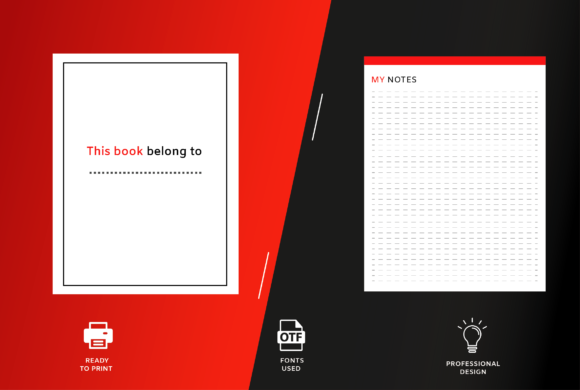
During the customization phase, treat the PowerPoint file as a design workspace. Because the file includes the “This journal belongs to” page and structured memory-recording layouts, your primary task is enhancement rather than creation. Add unique vector graphics, update the typography to ensure readability for younger audiences, and verify that all interactive elements (like writing lines or drawing boxes) are aligned. This is also the stage to integrate external assets. If you license additional illustrations from Creative Fabrica or Etsy, import them directly into the PPTX to create a proprietary look that distinguishes your book from others using similar base templates.
Post-Production: Archiving and Iteration
After generating the print-ready PDF and uploading to KDP, do not discard the working file. Organize your digital assets systematically. Save the customized PPTX with clear naming conventions (e.g., Kids_Travel_Journal_Camping_Ed_v2.pptx). This archive becomes valuable for future updates. If customer reviews indicate that the writing lines are too narrow or a specific prompt is confusing, you can return to the source file, make the adjustment, and re-upload a corrected version. This iterative loop is impossible with static-only products and is key to building a sustainable catalog.
Integration with Broader Creative Ecosystems
This travel journal template does not exist in isolation. It interacts with various tools and platforms in a publisher's stack. Understanding these connections improves overall workflow fluidity.
- Graphic Design Software: While PowerPoint is accessible, some creators prefer Adobe Illustrator or Affinity Designer. The PPTX format acts as a universal interchange format. You can open the file in PowerPoint to extract individual slide backgrounds or layout structures, then recreate or refine them in professional vector software if needed. Alternatively, export slides as images to use as base layers in Canva.
- Marketing Material Creation: The same source file used for the book interior can generate marketing assets. Export specific template pages as JPEGs to create Amazon A+ Content, social media mockups, or listing thumbnails. Showing potential buyers the actual interior layouts—such as the 16 varied templates—significantly increases conversion rates compared to using only the cover image.
- Educational and Homeschool Resources: For educators selling on Teachers Pay Teachers or similar platforms, this journal serves a dual purpose. It can be sold as a physical KDP book and simultaneously adapted as a digital printable. By removing the "This journal belongs to" page and adjusting margins for standard home printers, the same core content generates revenue across multiple channels.
Practical Tips for Efficient Customization
To maintain productivity when working with this Travel Journal for Kids KDP template, adopt specific best practices:
- Master Slide Utilization: Use PowerPoint’s Slide Master feature to apply global changes. If you want to add a footer with your brand name or change the font family across all 120 pages, doing so via the Master Slide prevents tedious manual formatting and reduces the risk of inconsistency.
- Font Licensing Verification: While the template includes fonts, always verify licensing if you swap them out. Ensure any new typefaces added during customization allow for commercial use in printed publications. Embed fonts when saving the final PPTX to preserve formatting across different devices.
- PDF Export Settings: When generating the final print-ready PDF, select "High Quality Print" or "Press Quality" presets. Verify that transparency flattening is handled correctly to prevent pixelation in line art. Always preview the exported PDF at 100% zoom to check crispness before uploading to KDP.
- Metadata Alignment: Ensure the keywords used in your KDP backend match the content modifications made in the PPTX. If you customized the journal to focus on "road trips," your metadata must reflect that specificity. Disconnect between interior content and listing metadata leads to poor user experience and negative reviews.
Long-Term Value and Asset Management
Investing in an editable Travel Journal for Kids to record their travel memories is fundamentally an investment in intellectual property infrastructure. Unlike hiring a freelancer for a one-off design, owning the source file grants perpetual usage rights and modification freedom. For small business owners and freelancers, this reduces cost-per-title over time. As your catalog grows, the ability to repurpose, update, and adapt existing templates becomes a significant competitive advantage.
Furthermore, this resource supports consistency—a critical factor in brand building. When customers recognize your distinctive layout style, prompt structure, or visual aesthetic across multiple books, trust increases. The 6×9 trim size and 120-page count provide a standardized form factor that readers come to expect, while the editable nature of the interior allows for endless thematic variation. By treating this template as a dynamic component of your publishing workflow rather than a static commodity, you position your business for sustainable growth and operational resilience in the competitive KDP marketplace.