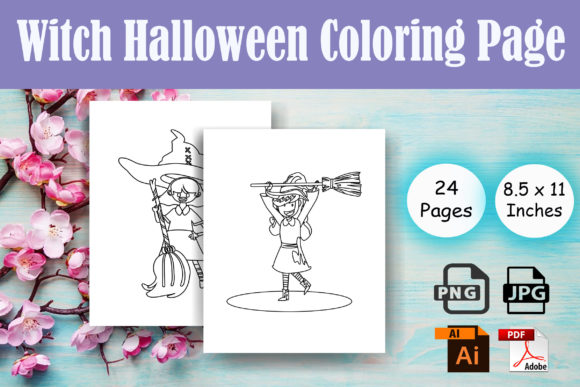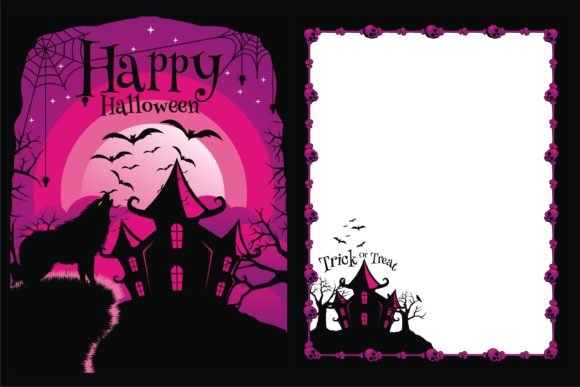
Evaluating the Best Graphics for Halloween KDP Journals
Selecting the right visual assets is a critical step in creating a successful low-content book for Amazon Kindle Direct Publishing (KDP). When searching for the best graphic options for a Halloween KDP journal, creators must balance aesthetic appeal with technical compliance and commercial viability. A high-quality Halloween illustration for a KDP template serves as more than mere decoration; it functions as the primary value proposition for the end consumer. Understanding the specifications, file formats, and strategic applications of these graphics allows publishers to make informed decisions that align with their production capabilities and market goals.
Defining High-Quality Halloween KDP Assets
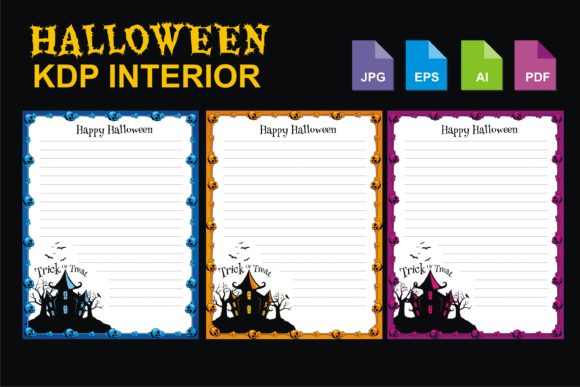
The term "best graphic" in the context of KDP interiors refers to illustrations that meet specific technical standards while resonating with the seasonal niche. For an 8.5 x 11 inch no-bleed journal, the artwork must be precisely formatted to fit within the safe zone margins. This size proportion is standard for daily planners, schedules, and craft journals, providing ample space for writing without requiring complex bleed setup during the upload process.
Technically, superior assets are distinguished by their resolution and editability. High-resolution JPG files ensure that printed lines remain crisp rather than pixelated, which is essential for user satisfaction. However, the inclusion of AI (Adobe Illustrator) and PDF source files elevates a graphic from a static image to a versatile design component. Editable vector files allow creators to modify colors, resize elements without quality loss, and combine different assets to create unique layouts. This flexibility is what separates a generic template from a professional-grade KDP interior.
Strategic Benefits of Editable Vector Formats
One of the primary reasons publishers seek out templates offering AI and PSD (Adobe Photoshop) compatibility is the ability to differentiate products in a saturated market. While many sellers utilize pre-made PDFs or flattened images, access to editable layers enables significant customization. For a Halloween-themed daily planner or schedule, this might involve adjusting the opacity of background illustrations to ensure text remains legible or swapping color palettes to target specific sub-niches like "pastel goth" or "vintage spooky."
Furthermore, editable files streamline the workflow for series creation. A creator can establish a cohesive brand identity across multiple journals—such as a matching set of gratitude journals, activity books, and planners—by reusing and modifying the same core vector assets. This efficiency reduces production time and ensures visual consistency, which helps build recognition among buyers browsing the KDP marketplace. The ability to manipulate the source file also future-proofs the asset; if Amazon updates its printing specifications or margin requirements, vectors can be adjusted instantly without needing to redraw the illustration.
Technical Considerations for No-Bleed Interiors
When evaluating graphics for an 8.5 x 11 inch no-bleed format, precision is paramount. Unlike full-bleed designs where artwork extends to the paper's edge, no-bleed interiors require a mandatory safety margin. Typically, this means keeping all critical design elements at least 0.375 inches from the trim line on all sides. High-quality templates should already account for this spacing, but users must verify alignment before publishing.
Publishers should also consider ink coverage. Halloween illustrations often feature dark colors and heavy blacks. On standard KDP white paper, excessive ink saturation can lead to bleed-through or warping. Evaluating the best graphic involves assessing not just the visual style, but the print feasibility. Line art and moderate shading generally perform better in paperback journals than solid blocks of dark color. Reviewing the provided PDF proof or ordering a physical copy is a necessary step to validate that the high-resolution JPG translates well to standard offset printing.
Situations Where Premium Templates Are a Strong Fit
Investing in comprehensive Halloween illustration packages with editable source files is particularly advantageous for creators focusing on functional stationery. Daily planners and schedules require repetitive page structures where consistent branding adds perceived value. If the goal is to produce a premium-feeling journal that commands a higher price point, the ability to customize proprietary graphics justifies the initial investment.
This approach is also ideal for designers who lack advanced illustration skills but possess layout proficiency. Using a professionally drawn vector base allows these creators to focus on typography and page structure rather than spending hours drawing pumpkins or bats. Additionally, those planning long-term seasonal businesses benefit most from owning editable assets, as they can adapt the same graphics year after year with minor updates, maximizing return on investment over multiple Q4 seasons.
When Alternatives May Be More Appropriate
Despite the advantages, premium editable templates are not always the optimal choice. For creators testing the Halloween niche for the first time with zero audience data, purchasing expensive AI/PSD bundles may represent unnecessary financial risk. In such cases, utilizing royalty-free stock vectors or simpler, non-editable PDF interiors allows for market validation with lower upfront costs. If the test product fails to gain traction, the financial loss is minimized.
Alternatives are also worth considering for highly specific micro-niches where general Halloween graphics do not apply. For example, a "Halloween Witchcraft Grimoire" requires esoteric symbolism that differs significantly from standard cute or spooky journal art. Generic templates may require so much modification that creating custom art from scratch becomes more efficient. Furthermore, creators who exclusively use free software like Canva or GIMP may find Adobe Illustrator files inaccessible. Unless they are willing to learn new software or pay for subscriptions, seeking out PNG or PDF alternatives compatible with their existing toolkit is a more practical decision.
Decision-Making Framework for Asset Selection
To determine whether a specific Halloween KDP Journal Best Graphic aligns with current needs, publishers should evaluate three key factors: licensing rights, technical compatibility, and market differentiation.
- Licensing Verification: Always review the license agreement included with the download. Confirm whether the assets can be used for commercial KDP publishing and if there are limitations on the number of units sold or derivative works created. Some licenses prohibit using the graphic as-is on a cover, restricting it to interiors only.
- Software Proficiency: Honestly assess current skill levels with Adobe Illustrator and Photoshop. Owning an editable file provides no benefit if the user cannot open or manipulate it effectively. If the learning curve is too steep, prioritize high-resolution JPGs or pre-formatted PDFs instead.
- Competitive Analysis: Search Amazon for similar Halloween journals. If the top-selling books use identical graphics from the same template pack, the market may be oversaturated with that specific design. The "best" graphic is one that allows for enough variation to stand out in search results.
Ultimately, the value of a Halloween illustration for a KDP template lies in its utility. Whether choosing a fully editable vector suite or a simple high-res image, the decision should support the specific type of book being created. By prioritizing technical accuracy for the 8.5 x 11 no-bleed format and ensuring the artistic style matches the intended audience, publishers can select assets that contribute to a sustainable and professional KDP portfolio.